Rules Make Your Agent Fragile. Principles Make It Scale.
A stalled agent build I joined last week had a prompt written as a rule book — when this happens, do that — which passed testing and fell apart in production. The team's instinct was to add more rules, which compounds the problem; the fix is telling the agent what to optimize for and letting it decide.
Transcript
Here's an issue that's far too common.
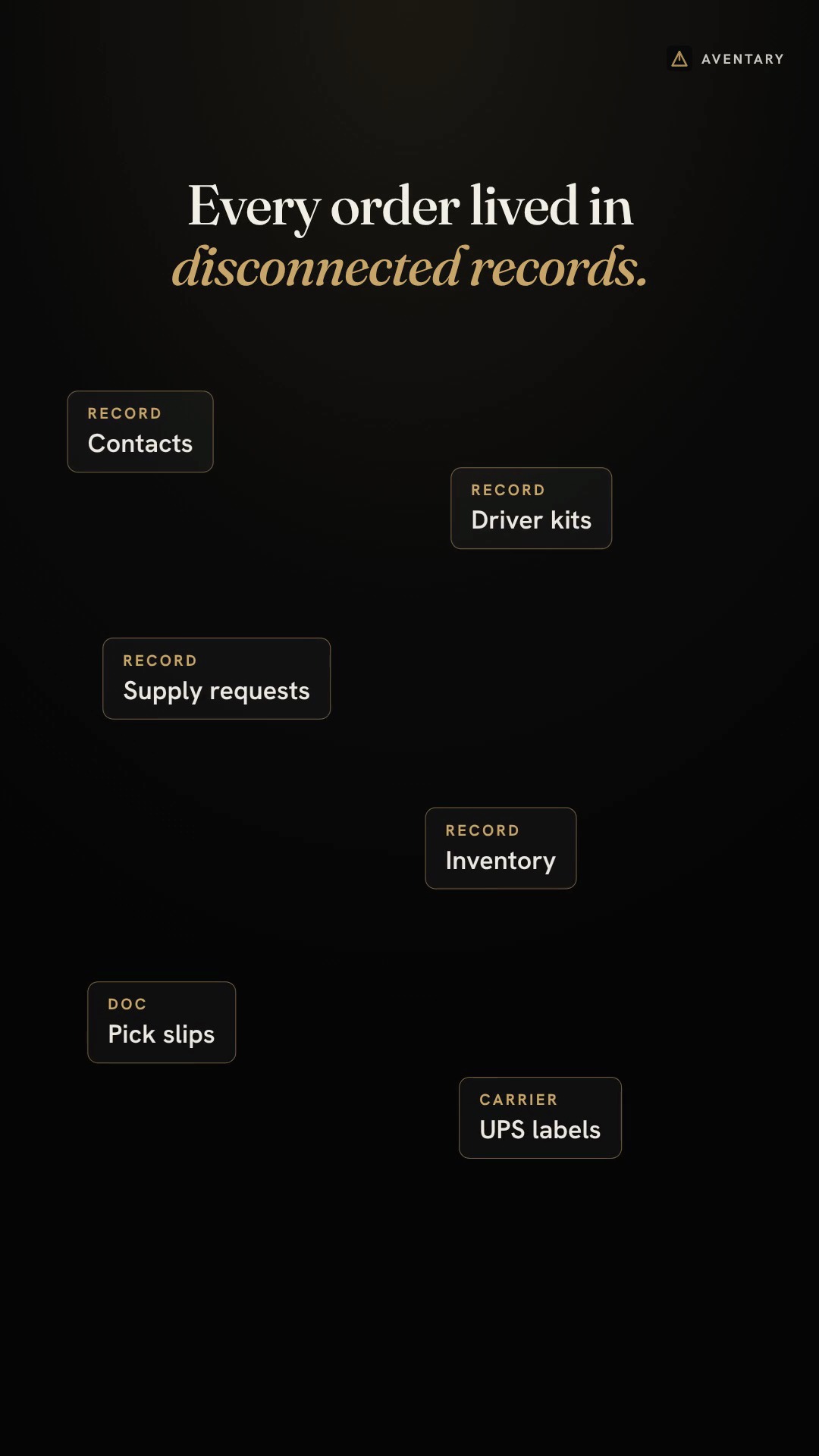
I joined this project last week where the AI agent development had stalled, and here's why. The team designed the prompt as a rule book. So: when this thing happens, the status changes, do something. And this worked well in testing. But the second it hit the real world and tries to scale itself out, it breaks apart.
And the fix was — they added more rules on top of that, actually compounding the issue further.
Rules are very brittle. They're designed to the limits of the imagination that we have. What we need to do is consider principles.
So for example, instead of writing into your prompt "in three days, follow up," what you want to do is tell the agent that, depending on the urgency and the signals and intent, follow up when you feel it's appropriate, on the channel of their preference. This gives the agent real latitude to take action.
Rules make your AI agent fragile, while principles enable it to scale.