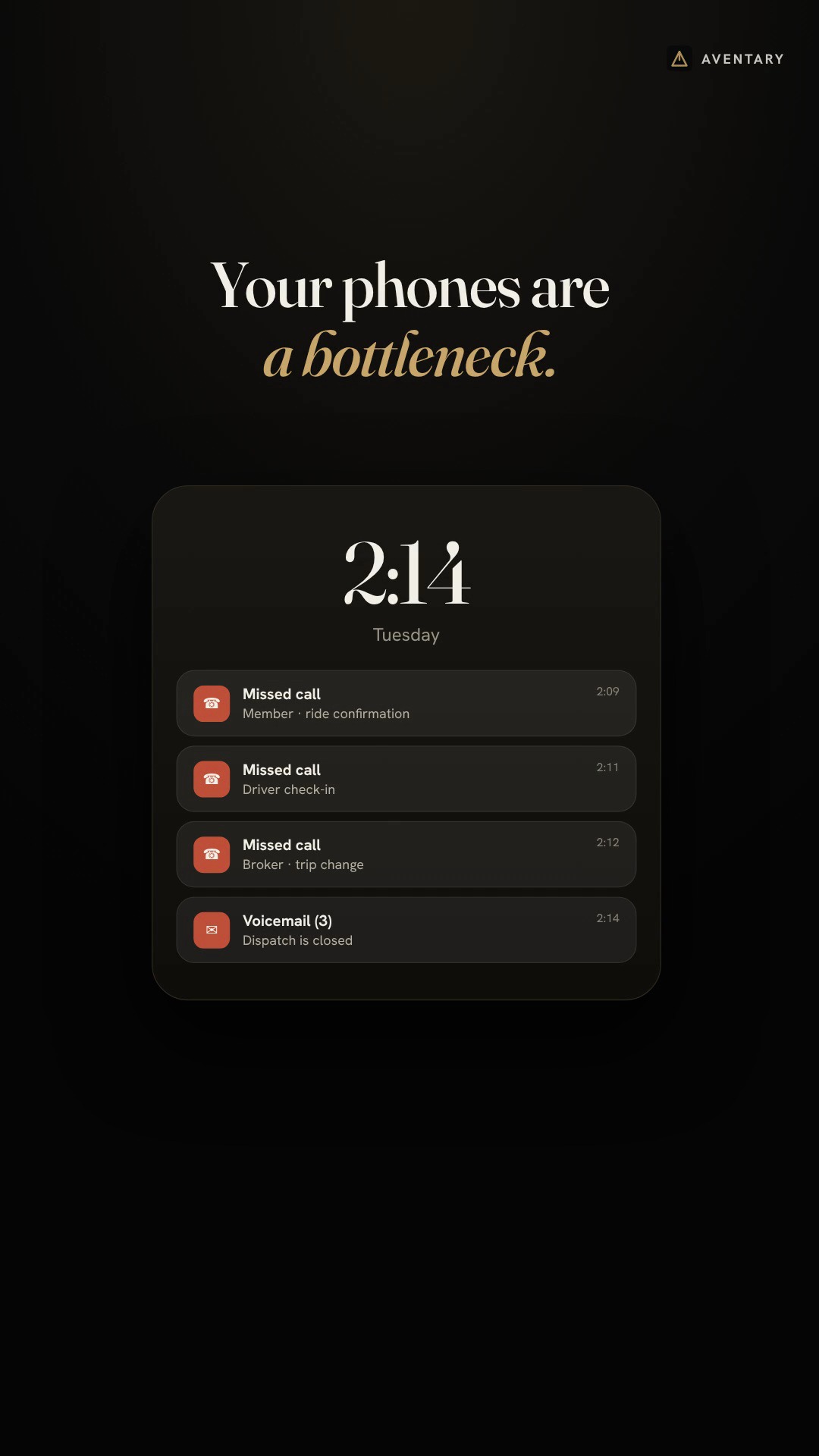
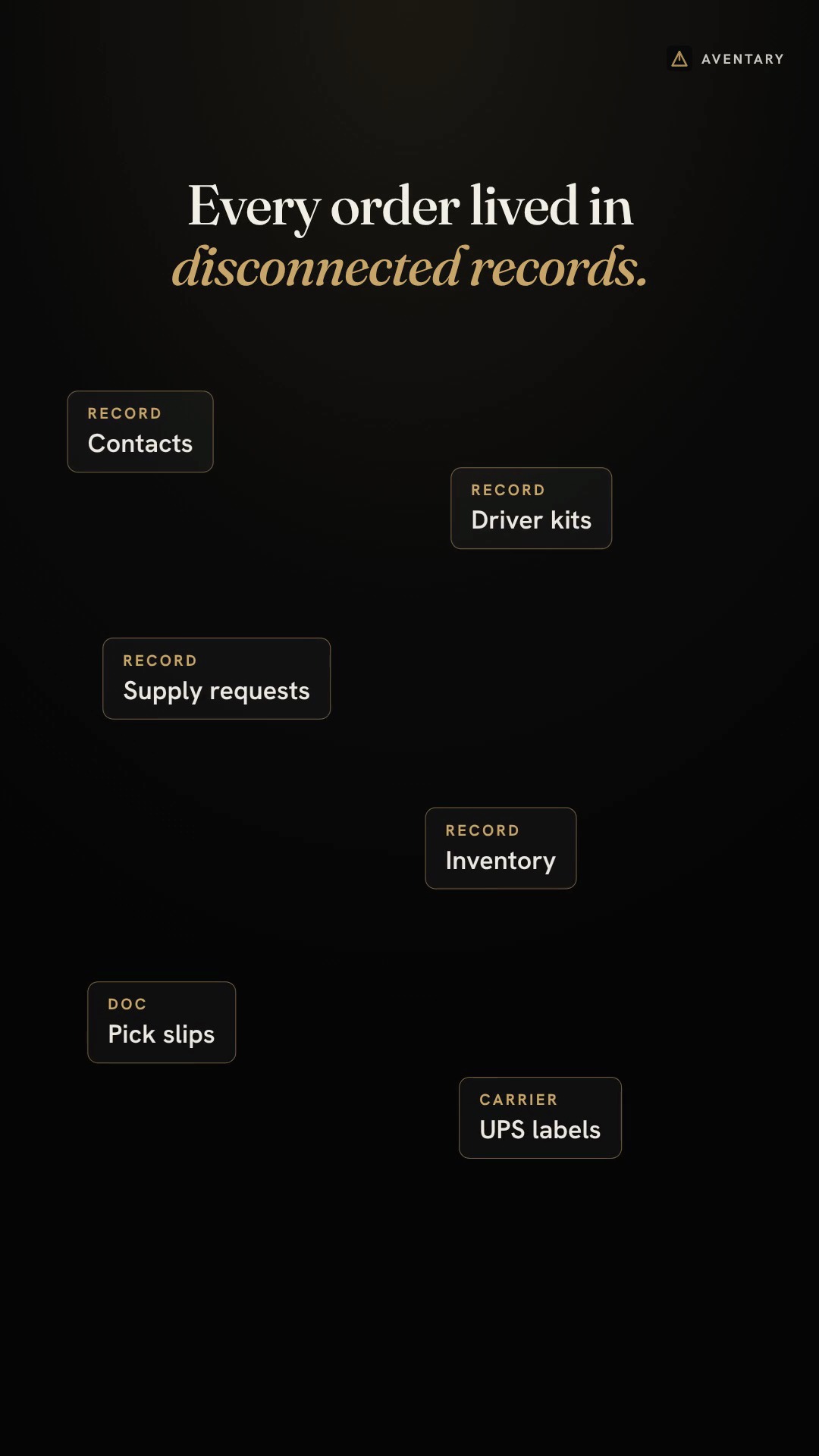
One Agent Per Department Just Rebuilds Your Silos.
Companies are deploying a billing agent and an order agent and wiring neither to the other — which recreates the exact handoff problem that made human departments frustrating in the first place. This walks through why fragmented agents return fragmented answers, and what orchestration across 250+ agents looks like when someone does it properly.
Transcript
There's actually a really interesting problem that's emerging with AI agents, and it's not a new problem.
So you're a small business or a large enterprise, and you have more than one person, of course, working for your company in a specific function and role within a certain division. So for example, you have one person working at the billing and you have one person working in order management. And a customer reaches out to the billing department to find out some financials about their order, but then they want to find a certain status — tracking status — of an order, for example.
So that effort from the billing side to determine information, but the order side, typically requires some integration or centralized systems, or even the old way of, you know, passing the phone call over to the other agent.
We're finding that same problem with AI agents. A lot of companies are approaching it with a fragmented approach. So they have one agent dealing with billing and another agent dealing with orders. And if those agents aren't interconnected, then the information will be inaccurate and fragmented.
So I read this beautiful article from PwC today, who have developed more than 250 agents, and they figured out a way to orchestrate these agents together. So that way, when someone calls one or speaks to one agent, it immediately reaches the other agent to complete its task in near real time and provides the information back to the other agent — which I think is pretty cool.
I'm going to link to the article below in the comments. Great, great interesting evolution of AI and agents.